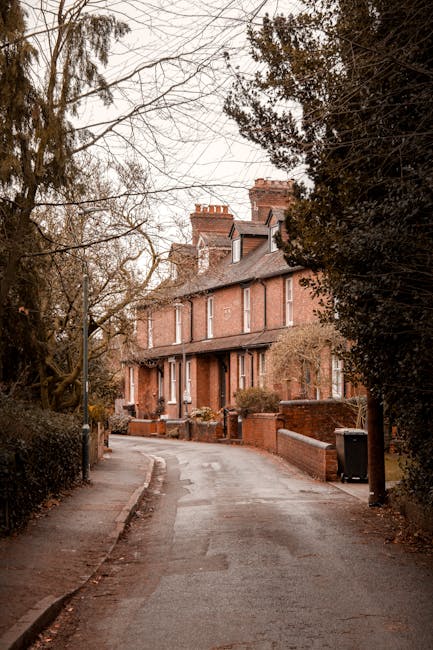
Rosslyn Hill House Removals Tips for Narrow Streets
If you are moving on or near Rosslyn Hill, you already know the problem: beautiful streets, awkward access. That combination can turn a simple house move into a slow, stressful puzzle if you do not plan properly. Narrow roads, parked cars, tight turns, steep sections, and limited loading space all change the way a removal day should be handled. The good news? With the right preparation, Rosslyn Hill house removals can run smoothly, even where the road layout feels unforgiving.
This guide brings together practical, local-friendly advice for moving in tight Hampstead streets. It covers planning, vehicle choice, packing, timing, compliance, and the small details that save time on the day. If you want a move that feels controlled rather than chaotic, start here.
Table of Contents
- Why Rosslyn Hill house removals tips for narrow streets Matters
- How Rosslyn Hill house removals tips for narrow streets Works
- Key Benefits and Practical Advantages
- Who This Is For and When It Makes Sense
- Step-by-Step Guidance
- Expert Tips for Better Results
- Common Mistakes to Avoid
- Tools, Resources and Recommendations
- Law, Compliance, Standards, or Best Practice
- Options, Methods, or Comparison Table
- Case Study or Real-World Example
- Practical Checklist
- Conclusion
- Frequently Asked Questions
Why Rosslyn Hill house removals tips for narrow streets Matters
Rosslyn Hill and the surrounding Hampstead streets are lovely, but let's be honest, they are not built for oversized vans arriving at the wrong time of day. Narrow residential roads create a chain reaction of issues: vehicles cannot pass easily, parking disappears fast, and even a short carry from van to front door can become tiring if the route is poorly planned.
That matters because removals are a timing game as much as a transport job. If one van blocks the road, neighbours notice. If loading takes too long, the schedule slips. If a sofa is too large for the stairwell, you may end up wasting precious daylight while the team rethinks the route. In these streets, preparation is not a nice-to-have. It is the move.
For many households, the biggest risk is assuming the space around the property will behave like a standard suburban driveway. It often does not. Cars may already be parked outside, corners may be tighter than expected, and one-way positioning can make reversing difficult. That is why planning a move with narrow-street access in mind is so valuable.
Expert summary: In tight Hampstead roads, the best removal plans are the ones that reduce vehicle size, shorten carrying distance, and remove surprises before moving day starts.
How Rosslyn Hill house removals tips for narrow streets Works
In practical terms, a narrow-street move works by splitting the job into access planning, load planning, and timing. First, you work out where the vehicle can stop safely. Next, you decide what can be moved directly and what needs special handling. Finally, you schedule the day so the team arrives when the street is least congested.
For Rosslyn Hill, that often means using a smaller vehicle or a more flexible removal setup. A larger lorry may sound efficient on paper, but on a narrow road it can create delays. A compact man with a van in Hampstead arrangement, or a smaller dedicated removal vehicle, can sometimes be the smarter choice if space is limited. The point is not simply to move things. It is to move them without turning the street into a bottleneck.
There is also a people side to it. A good crew will communicate clearly, carry items in a sensible sequence, and keep an eye on doorways, steps, and passers-by. That sounds obvious, but in narrow streets, obvious things are often what get missed.
Another piece of the puzzle is how the home itself is packed. If boxes are overfilled or furniture is left assembled when it should not be, the team may lose time taking items apart in the hallway. You do not want that. The cleaner the handover, the smoother the move.
Key Benefits and Practical Advantages
Good planning for a narrow-street removal is not only about avoiding problems. It also improves the whole moving day experience. You will notice the difference in energy, speed, and stress levels.
- Less waiting time: A vehicle that can park closer to the property reduces carrying distance and cuts down on back-and-forth trips.
- Lower risk of damage: Fewer tight turns, fewer awkward manoeuvres, and fewer rushed lifts usually means fewer scuffs and bumps.
- Better neighbour relations: A well-managed move is less likely to block access or irritate everyone on the street. That matters more than people think.
- Safer lifting: Shorter carry routes and clearer routes through the home reduce strain on the team and on you.
- More reliable timing: Once loading is under control, the rest of the day becomes easier to predict.
There is also a quiet financial benefit. A move that is organised properly tends to avoid the hidden costs of delay: extra labour time, repeat trips, last-minute van changes, or damage claims. If you are comparing options, it is worth looking at pricing and quotes carefully rather than just choosing the lowest headline figure.
And if you are moving a home with large or delicate pieces, it can make sense to plan around specialist help such as furniture removals in Hampstead. A narrow street does not forgive guesswork with heavy wardrobes. Not really.
Who This Is For and When It Makes Sense
This kind of planning is especially useful if you are moving from a terraced home, a period property, a maisonette, or a house with limited frontage. Rosslyn Hill is not a one-size-fits-all road, and neither are the properties around it. Some homes are easy enough for a smaller van but awkward for a full-size removal vehicle. Others are all staircase and no landing space. Charming, yes. Convenient, not always.
You will benefit most from these tips if:
- the street is narrow enough that two vehicles cannot pass comfortably;
- there is limited parking outside your property;
- your furniture includes bulky or fragile items;
- you have a tight completion window or same-day handover;
- you are moving on a weekday when traffic and parking pressure are worse;
- you are moving with children, pets, or elderly family members who need the day to stay calm and predictable.
It also makes sense if you are weighing up different service types. For example, a simple flat move may suit a compact option, while a full house relocation may need a more structured team. If that sounds familiar, compare flat removals in Hampstead with house removals in Hampstead before you decide. The right fit depends on access as much as on volume.
Step-by-Step Guidance
The easiest way to avoid hassle is to work from the street inward: start with access, then loading, then packing, then timing. Here is a practical approach that works well for tight London roads.
- Walk the route in advance. Check where a van might stop, where turning gets difficult, and whether there are parked cars or pinch points outside the property.
- Measure large items. Note the width and height of wardrobes, sofas, beds, mirrors, and appliances. If the item looks borderline, assume it will be awkward until proven otherwise.
- Decide on vehicle size early. A smaller, more manoeuvrable vehicle may be far more effective than something larger that needs repeated repositioning.
- Choose the loading window carefully. Early morning often gives you a calmer street. Midday can be fine too, but avoid the busiest periods if you can.
- Pack by room and by priority. Keep essential items accessible. Label boxes clearly so the team can unload in order rather than hunting for basics later.
- Protect the property route. Use covers, blankets, and door protection where needed, especially in hallways, stair edges, and tight landings.
- Prepare for short carries. If parking is a little way from the address, keep extra hands available so items move in a controlled flow.
- Confirm access details the day before. Small changes matter: a parked car, a delivery lorry, or a roadwork barrier can alter the plan quickly.
If you need packing support, a dedicated packing and boxes service in Hampstead can save a lot of running around. Truth be told, the boxes are often where the move either looks professional or gets messy.
And yes, it helps to have a backup plan. If access becomes impossible at the front, can the team load from a different point? Can a smaller vehicle shuttle items? Can one person manage parking while others carry? These are small questions, but they save big headaches.
Expert Tips for Better Results
A few practical habits make narrow-street moves noticeably easier. These are the little details that experienced crews tend to check without being asked.
- Use smaller loads per box. Heavy boxes slow everything down and make stair carries much harder. Keep them manageable.
- Disassemble furniture before moving day. Beds, tables, and shelving units are much easier to move when they are reduced to sensible parts.
- Protect corners and edges. Narrow hallways and staircases are exactly where chipped paint and dented plaster happen.
- Keep a clear "staging" zone. Place boxes and dismantled items in one neat area so nothing gets in the way of the carry route.
- Use someone to watch the street. A second pair of eyes can spot incoming cars, cyclists, or pedestrians before a manoeuvre becomes awkward.
- Label fragile items plainly. It sounds basic, but in a busy move, clear labels prevent avoidable mishaps.
For some households, the smartest option is a more flexible service such as man and van in Hampstead or man and a van in Hampstead. These can be especially handy when the road access is too tight for a larger vehicle. They are not a silver bullet, of course, but in the right situation they are very effective.
One small but useful tip: if you can open the front door fully without hitting furniture, do it. Sounds silly maybe, but in cramped homes every few centimetres helps.
Common Mistakes to Avoid
Most narrow-street removal problems are predictable. That is the frustrating part. The same mistakes happen again and again because people underestimate access.
- Booking a vehicle that is too large. Bigger is not always better. In a narrow road, it may be slower and more difficult to position.
- Leaving parking to chance. Hoping that space will be available on the day is risky, especially in a busy Hampstead area.
- Ignoring stair and doorway measurements. A sofa that fits in the lounge may still fail at the landing. That is a classic one.
- Not telling the removals team about access issues. If the crew does not know about a slope, tight corner, or low wall, they cannot plan around it.
- Overpacking boxes. Heavy boxes are slower to move and more likely to split. Nobody enjoys the sound of cardboard giving up halfway down the stairs.
- Forgetting to check timing restrictions or local parking arrangements. You do not need a legal lecture, but you do need to know where the vehicle can wait safely.
Another common mistake is trying to save money by cutting too much from the service. A move through a tight street often needs more planning, not less. If you are comparing options, it is worth reviewing removal companies in Hampstead and looking at how they handle access, not just whether they can provide a van.
Tools, Resources and Recommendations
You do not need a huge toolkit, but a few simple items make a real difference on moving day. Think practical, not flashy.
| Item | Why it helps | Best use in narrow streets |
|---|---|---|
| Furniture blankets | Protect doors, banisters, and furniture edges | Useful where corridors and stairwells are tight |
| Ratchet straps | Keep items secure in transit | Helps when the vehicle has limited internal space |
| Labelling tape | Makes boxes easy to sort and stack | Saves time when unloading in a rush |
| Door protectors | Reduces scuffs in narrow entrances | Very useful in period homes and shared entrances |
| Dolly or sack truck | Moves heavier items more safely | Handy if the road requires repeated short carries |
On the planning side, a good removal team should be able to explain the likely access method in plain English. If they cannot, that is a warning sign. You want direct answers: how many people, what vehicle, where it will stop, and what happens if the road is blocked.
You may also want to think about storage if completion dates or access windows do not line up neatly. A well-timed storage solution in Hampstead can take the pressure off and let you move in stages instead of all at once. That is often the difference between panic and control.
Law, Compliance, Standards, or Best Practice
For a street like Rosslyn Hill, compliance usually comes down to safe loading, sensible vehicle placement, and being respectful of local access conditions. Exact parking restrictions and road-use rules can vary, so it is wise to confirm the practical details before moving day rather than assuming the kerb will be free.
From a best-practice point of view, the removal crew should work in a way that keeps people safe and property protected. That includes careful lifting, clear communication, sensible stacking inside the vehicle, and enough planning to avoid unnecessary obstruction. If a company talks openly about health and safety and insurance and safety, that is a good sign. It usually means they take the practical side seriously, not just the sales side.
Another useful signal is transparency around terms, claims handling, and customer expectations. You do not want surprises later. A careful look at terms and conditions can spare you a lot of awkward conversations afterwards.
For people who are especially focused on responsible disposal, it is reasonable to ask how unwanted furniture and packing waste will be handled. A service that follows a clear recycling and sustainability approach can make the move feel cleaner overall. Not perfect, maybe, but definitely better.
Options, Methods, or Comparison Table
Choosing the right moving method for narrow streets is often more useful than chasing the biggest vehicle or the cheapest headline price. Here is a simple comparison to help you think it through.
| Method | Best for | Strengths | Trade-offs |
|---|---|---|---|
| Small van / flexible crew | Tight streets, limited parking, smaller homes | Easy to park, manoeuvrable, often faster in difficult access areas | May require more trips if the load is large |
| Standard removal van | Moderate access and average household moves | Good balance of space and efficiency | Can struggle in very tight streets |
| Large removal lorry | Easy-access moves with heavy volume | Moves more in one go | May be impractical on Rosslyn Hill-style roads |
| Staged move with storage | Complex schedules or split dates | Reduces time pressure and handles access issues better | Needs extra planning and coordination |
If you are still unsure which option fits, reviewing a broader services overview can help you match the move to the property, not the other way round. That is usually the smarter way to do it.
Case Study or Real-World Example
Picture a family moving out of a terraced home just off Rosslyn Hill. The street is lined with parked cars, and the front space is only wide enough for a small vehicle to stop cleanly. A full-size lorry would have blocked the road and added pressure to the whole day.
Instead, the move was broken into three sensible stages. First, the team confirmed the parking point and cleared the front hallway. Second, bulky furniture was dismantled before loading started. Third, lighter boxes and soft items were moved in a steady flow while one person kept an eye on the street. Nothing dramatic. No shouting. No panic. Just a quiet rhythm that worked.
The result was simple: fewer delays, less strain, and no awkward last-minute reshuffling of the van. It is the kind of move that looks easy from the outside because the planning happened before anyone arrived. That is often how good removals feel, to be fair. A little boring, in the best possible way.
In another common scenario, a household with a few oversized items chooses a specialist approach for delicate furniture and then uses a smaller vehicle for the rest. That hybrid setup can be very sensible when access is unpredictable. If you have a piano, for example, you would not treat it like a standard box. You would look into piano removals in Hampstead rather than improvising. Some things deserve proper handling.
Practical Checklist
Use this checklist a few days before moving day. It is simple, but it catches the issues people most often forget.
- Measure the largest furniture pieces and note any awkward angles.
- Check whether a van can stop safely near the property.
- Confirm the likely time window for loading and unloading.
- Tell the removals team about steep steps, tight turns, or low ceilings.
- Pack boxes so they are not too heavy to carry comfortably.
- Label fragile items and essentials clearly.
- Prepare covers or blankets for floors, banisters, and door frames.
- Set aside essentials you will need immediately after arrival.
- Decide whether a smaller van or flexible crew would suit the street better.
- Review insurance, safety, and any booking terms before the day.
If you are moving on a deadline, one more thing: keep one easy-to-reach bag with chargers, keys, paperwork, and water. It sounds tiny, but it saves a lot of rummaging when the kettle is still in a box somewhere.
Conclusion
Rosslyn Hill house removals tips for narrow streets all come back to the same principle: reduce surprises. Tight roads need a move plan that respects access, parking, timing, and the shape of the property itself. Once those pieces are thought through, the day becomes much calmer and far more manageable.
The most successful moves in this part of Hampstead are usually not the ones with the biggest trucks or the fanciest promises. They are the ones with clear communication, a sensible vehicle choice, and packing that makes life easier instead of harder. A little preparation goes a very long way here.
If you are weighing up your next step, keep it practical: check access, compare the right service level, and choose a team that understands narrow streets properly. That alone can change the tone of the entire move.
Get a free quote today and see how much you can save.
And if you are moving soon, take a breath. With the right plan, even a tricky street can feel surprisingly under control.
Frequently Asked Questions
What is the biggest challenge with house removals on Rosslyn Hill?
The biggest challenge is usually access. Narrow carriageways, parked cars, and limited stopping space can slow loading and make larger vehicles awkward to position. That is why vehicle choice and timing matter so much.
Should I choose a smaller van for a narrow street move?
Often, yes. A smaller van can be easier to park and manoeuvre in tight residential streets. It may require more trips, but it can still be faster overall if access is difficult.
How far in advance should I plan a removal in a narrow Hampstead street?
As early as possible. For a straightforward move, a few weeks can help. If you have large furniture, limited parking, or a tight completion date, giving yourself more time is much better.
What should I tell the removals company before moving day?
Tell them about street width, parking restrictions, steps, narrow hallways, low ceilings, and any large items that might need special handling. The more accurate the details, the smoother the day usually goes.
Can a house move still work if the van cannot park directly outside?
Yes, it can. The team may need to carry items a little further or use a shuttle-style loading plan. It is not ideal, but it is perfectly manageable with good coordination.
How do I protect furniture in tight hallways and staircases?
Use blankets, wraps, and corner protection where needed, and dismantle furniture before the move if that makes it easier to carry. Tight spaces are where small scuffs happen, so a little protection helps a lot.
Is a man and van service enough for Rosslyn Hill removals?
Sometimes it is. For smaller moves or particularly awkward access, a flexible service can be a very good fit. For larger homes, you may need something more structured.
What if I need to store items before moving into the new home?
Storage can be a sensible option if dates do not line up or if the new property is not ready for everything at once. It takes pressure off the moving day and lets you split the job into stages.
How can I avoid damage in a narrow street move?
Keep boxes manageable, dismantle bulky furniture, protect edges, and avoid rushed manoeuvres. Damage usually happens when people try to force awkward items through tight spaces.
Should I compare quotes only on price?
No. Price matters, but access planning, vehicle suitability, and insurance support matter too. A lower quote can become expensive if the move is poorly matched to the street.
Do moving companies handle fragile or specialist items differently?
Yes, they should. Items like pianos, mirrors, and antique furniture need extra planning and handling. If you have anything unusual, mention it early and ask how it will be managed.
What is the safest way to move on a busy weekday in Hampstead?
Use an early loading window if possible, keep the route clear, and choose a vehicle size that suits the street rather than the total volume alone. A calm start usually leads to a calmer finish.
If you want a broader look at moving in the area, it can also help to explore removal services in Hampstead and general removals in Hampstead to see which setup feels most appropriate for your property. A good move is rarely rushed. It is prepared.
That is the quiet truth of narrow-street removals: once you respect the space, the space starts working with you instead of against you.