Camden Council parking rules for Hampstead removals: a practical guide for smoother moving day
Moving in Hampstead sounds simple enough until the van arrives and the street tells a different story. Tight roads, busy resident bays, yellow lines, and limited kerb space can turn an ordinary house move into a stressful little puzzle. If you are trying to understand Camden Council parking rules for Hampstead removals, this guide walks you through the real-world basics: what usually matters, where people trip up, and how to make the move feel far less chaotic.
To be fair, most moving problems in this part of London are not about the boxes. They are about access. Where can the vehicle stop? Is there space for loading? Do you need to plan around parking controls, suspension requests, or timing restrictions? And what happens if the van ends up half a street away on a wet Tuesday morning, with the sofa still on the pavement? Let's get into the details properly.
Table of contents
- Why Camden Council parking rules for Hampstead removals matters
- How Camden Council parking rules for Hampstead removals works
- Key benefits and practical advantages
- Who this is for and when it makes sense
- Step-by-step guidance
- Expert tips for better results
- Common mistakes to avoid
- Tools, resources and recommendations
- Law, compliance, standards, or best practice
- Options, methods, or comparison table
- Case study or real-world example
- Practical checklist
- Conclusion
- Frequently asked questions
Why Camden Council parking rules for Hampstead removals matters
Parking rules shape the entire moving experience in Hampstead. Even a well-packed move can become slow and expensive if the vehicle cannot stop near the property. In a busy residential area, a few extra minutes of walking with furniture, boxes, and protective equipment can make a huge difference.
The issue is not just convenience. Parking and loading rules affect safety, time, and whether the move stays within the boundaries of local enforcement. In practical terms, the wrong stop can mean a penalty, a frustrated driver, or a rushed load that increases the risk of damage. Nobody wants that, least of all on moving day when everyone is already a bit stretched.
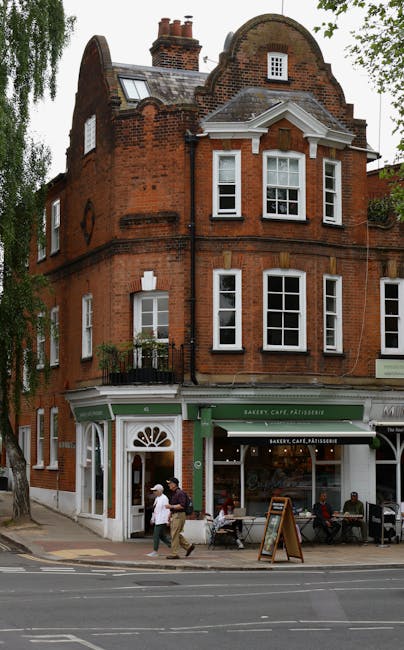
Camden is known for its controlled parking environment, and Hampstead streets often come with their own quirks: narrow roads, limited waiting spaces, resident bays, and heavier daytime traffic. If you are moving from a flat, a family house, or even an office, understanding the parking setup before the van arrives is one of the easiest ways to reduce pressure. It sounds boring. It really is not.
This is especially important if your move involves a larger vehicle, such as a removal truck hire arrangement, or if you are using a smaller vehicle where loading still needs to happen close to the entrance. The difference between a smooth lift and a long carry down the road can change the whole day.
How Camden Council parking rules for Hampstead removals works
The exact parking setup will depend on the street, the type of bay, the time of day, and whether any temporary parking controls apply. In most cases, movers need to think about four things at once: where the vehicle can legally stop, how long it can stay there, whether loading is allowed, and whether any suspension or permission is needed for a specific space.
For removals, the big practical distinction is usually between parking and loading. A vehicle may sometimes be able to stop briefly for active loading or unloading even where ordinary parking would not be allowed for long. But here is the crucial point: you should never assume a quick stop will automatically be fine. Local restrictions can vary, and streets in Hampstead are not all the same. One road can feel permissive; the next can be unforgiving.
In real terms, this means checking the location early, not on the morning of the move. If a bay is permit-controlled, if there are yellow lines, or if there is a suspension in place, the plan may need adjusting. When a property is in a flat or terrace with awkward access, it can also be worth thinking about how far the carry route will be from the vehicle to the front door. That little detail can either save your back or ruin your timing.
Removals teams often handle this by planning the vehicle position around the building rather than around the nearest empty space. That is the right approach. A short, legal loading position beats a random gamble every time. If you are arranging a larger home move, services like home moves or house removals are usually best coordinated with parking in mind from the start, not treated as a last-minute admin job.
If you are moving from a smaller flat, the same logic applies. A flat removals job can be deceptively tricky because stairs, entrances, and limited street space all pile up at once. A van parked 40 metres away may not sound dramatic, but once the rain starts or the clock starts ticking, it definitely feels dramatic.
Key benefits and practical advantages
Getting parking right does more than avoid hassle. It changes the whole pace of the move. A good parking plan makes the day calmer, safer, and more efficient. That is the simple version. The more detailed version is below.
- Less carrying distance: The closer the vehicle is to the entrance, the less risk of dropped items, strained backs, and accidental knocks on walls or bannisters.
- Faster loading and unloading: Time saved on walking back and forth is time gained for careful handling and checking items off the inventory.
- Lower stress: When the vehicle position is sorted, everyone can focus on the move itself rather than arguing about where to stop.
- Reduced enforcement risk: Careful planning helps avoid parking penalties or awkward conversations with enforcement officers.
- Better coordination with neighbours: In shared streets or blocks, a sensible plan makes the move less disruptive for everyone else.
There is also a practical budget benefit. A move that runs efficiently often uses less time and fewer repeated trips. That matters whether you are booking a man and van option, organising a full team, or needing a larger vehicle such as a moving truck.
And for anyone moving more valuable items, careful parking adds another layer of protection. If you are handling specialist belongings such as a piano, for example, access planning becomes even more important. A short, direct route is not a luxury in that scenario; it is part of responsible handling.
Who this is for and when it makes sense
This guide is for anyone moving in or out of Hampstead who needs a sensible approach to parking near their property. That includes homeowners, renters, students, landlords coordinating a turnover, and businesses moving equipment or stock. If the van is stopping on a public road, the parking rules matter. Simple as that.
It is especially useful if:
- you live on a narrow residential street;
- your building has no private driveway or forecourt;
- you are moving on a weekday morning, when parking spaces vanish quickly;
- you have large furniture, awkward items, or a lot of boxes;
- you need to coordinate with neighbours, concierge staff, or building management;
- you are booking a last-minute move and time is tight.
Students and short-term tenants often underestimate this part of the job. Yet student removals can be just as parking-sensitive as bigger household moves, especially in streets where a van cannot linger long. The same goes for offices. If you are dealing with desks, screens, files, and a few too many cable boxes, office removals need just as much street-level planning.
If you are not sure whether your move is simple enough for a small vehicle or needs something more substantial, it can help to compare options. Some jobs suit a removal van, while others need a more structured service. The parking problem does not go away just because the vehicle is smaller, by the way.
Step-by-step guidance
Here is a practical way to handle Hampstead parking planning without making it into a full-time project.
- Check the street layout first. Look at how close the front door is to the nearest legal stopping point. Think about stairs, corners, and whether the van can actually turn or only reverse in.
- Identify parking restrictions. Look for resident bays, shared-use bays, yellow lines, loading-only areas, and any signage that may affect stopping times. If the street looks busy, assume competition for space will be real.
- Decide what type of vehicle you need. A smaller job may work with a man with van arrangement, while a bigger household move might call for a more structured setup.
- Match the vehicle to the access. If the only viable stopping place is a bit further away, build that into the schedule and packing plan. No point pretending the sofa will carry itself.
- Prepare the loading path. Clear hallways, protect floors, and make sure boxes are ready to go. Parking is only part of the story; the route to the vehicle matters too.
- Allow time for delays. If you need to wait for a space, manoeuvre carefully, or work around traffic, give yourself a buffer. A 9:00 a.m. move in Hampstead can feel very different from a quiet afternoon job.
- Confirm any special needs in advance. Large or fragile items, such as artwork or a piano, should be planned with the access route and vehicle position in mind. That kind of preparation is where piano removals expertise becomes valuable.
If a move is likely to take longer because the property is hard to access, it may also be worth considering whether temporary storage makes sense. That can be handy if you are splitting the move into stages or waiting for a completion date to settle properly. A little breathing space helps.
Expert tips for better results
After enough moving days, one thing becomes clear: the best parking plan is the one you sort out before the boxes start moving. Here are a few things that make a real difference in Hampstead.
1. Visit the street at the same time of day as the move. A road that looks fine at 11:00 a.m. can be very different at school-run time or during the evening rush. The same kerb space may be taken, blocked, or awkward to use.
2. Keep the first load ready near the exit. If the van arrives and the team has to search for the essentials, the whole flow breaks down. I know, it sounds obvious. Yet it happens constantly.
3. Think about neighbours early. A quick heads-up can smooth things over, especially in shared buildings or terraces where access is tight. People are usually much more relaxed when they know what is happening.
4. Choose your packing style with parking in mind. If the vehicle must stop farther away than expected, neat stacking and sturdy boxes matter even more. Services like packing and boxes can make the load more manageable.
5. Do not overestimate how easy a road looks. Hampstead has plenty of streets where a van can technically fit, but only with careful positioning. That is a tiny difference on paper and a massive difference in real life.
6. Build in a backup plan. A second loading point, a short wait, or a quick reshuffle can save the move if the first spot falls through. Nothing glamorous. Just useful.
If your move has a commercial side, perhaps for a studio, practice space, or small office, the same logic applies. A well-managed commercial moves setup should factor in parking, access, and timing from the start rather than assuming the street will cooperate out of kindness. Streets rarely do that.
Common mistakes to avoid
The mistakes here are not usually dramatic. They are small, ordinary missteps that become expensive because they happen at the worst possible time.
- Leaving parking until the last minute. This is probably the biggest one. By the time the van is outside, you are already on the back foot.
- Assuming loading always overrides parking restrictions. Sometimes there is room for a quick stop, sometimes there is not. Never rely on guesswork.
- Underestimating how busy the street gets. Hampstead roads can fill fast, especially near shops, schools, and larger residential blocks.
- Booking the wrong size vehicle. Too small and you make extra trips. Too big and you create access problems that slow the whole day down.
- Ignoring building access issues. Parking is one thing. Staircases, narrow entrances, and lift restrictions are another.
- Forgetting about fragile or bulky items. A piano, wardrobe, or large mirror can change the loading plan completely.
One of the easiest errors to make is thinking, "We'll figure it out on the day." Truth be told, the day is exactly when you do not want to be figuring it out. Even a small amount of planning can save a lot of bending, pacing, and mild panic.
Tools, resources and recommendations
You do not need fancy tools to organise parking for a Hampstead move, but a few practical resources help a lot.
- A simple street checklist: Note the bay types, any signs, and where the best loading point sits relative to the property.
- Photos of the frontage: A few phone photos can help your mover understand the access before arrival. Handy, and very low effort.
- A floor plan or room list: This helps estimate load volume and figure out whether the vehicle needs to be as close as possible.
- Packing materials: Good boxes, wraps, and tape reduce handling time and make a tight loading route much easier.
- A clear move-day contact: If a parking decision needs to be made fast, you want one person who can answer the phone and make the call.
For many households, it also makes sense to compare the move against other services. A bigger property may suit house removalists, while a smaller or more flexible job might be better handled through removal services. If you want to understand pricing and what is included, the pricing and quotes page is the natural place to start.
And if the move is happening in stages, or you need to clear one property before the next is ready, storage can reduce pressure. It gives you room to breathe. Sometimes that is worth more than shaving ten minutes off the loading time.
Law, compliance, standards, or best practice
Parking compliance is one of those areas where common sense helps, but it should not replace proper checking. Local restrictions, signage, time limits, and loading permissions can all affect what is allowed. Because rules can vary by street and can change, it is wise to verify the situation for your exact location rather than relying on general advice.
From a moving-industry perspective, good practice usually means this: plan ahead, keep the vehicle within the lawful stopping area, avoid blocking traffic, and make sure the loading process is safe for both the crew and pedestrians. That means less improvisation, more preparation. Which, to be fair, is what most smooth moves are built on.
It is also sensible to think about insurance and handling standards. If items are being moved in a busy public street, the risk of bumps, slips, and minor damage rises. You want a mover who treats access planning as part of safety, not just part of logistics. If that matters to you, it is worth reviewing insurance and safety and the company's health and safety policy before booking.
On the customer side, clear terms matter too. Knowing what is included, how timing works, and what happens if access is difficult helps prevent confusion later. A move goes much better when everybody knows the ground rules. Funny how that works.
Options, methods, or comparison table
There is more than one way to handle a Hampstead move, and the right choice usually depends on street access, volume, and flexibility. Here is a simple comparison.
| Option | Best for | Parking advantage | Watch out for |
|---|---|---|---|
| Small van / man and van | Smaller flats, student moves, lighter loads | Easier to fit into tighter streets | May need extra trips if the load is larger than expected |
| Removal van | Typical household moves with moderate volume | Balanced size for access and capacity | Still needs a sensible stopping point near the property |
| Moving truck | Large homes, multi-room moves, bulky furniture | Can reduce the number of trips | May be harder to position on narrow Hampstead streets |
| Storage-first move | Staged removals or date gaps | Reduces pressure on the street loading window | Needs extra planning and coordination |
If you are unsure which route fits your property, start with the access, not the furniture. That sounds backwards, but it usually saves time. A beautiful wide sofa is still a problem if it has to be carried half a street because the vehicle was too large for the available stop.
Case study or real-world example
Here is a realistic example from a Hampstead-style move. A couple was moving from a first-floor flat on a narrow residential street. The property itself was straightforward, but the street had limited space, resident bays, and active daytime parking. They assumed the van could just stop outside for a quick load. It nearly worked, which is another way of saying it nearly became a mess.
The better plan was to arrive slightly earlier, identify the safest legal stopping point, and split the load into two stages. Lightweight boxes and soft items went first. Bulky furniture came after, once the path through the building was clear. The move still involved carrying items a little further than ideal, but it stayed calm, legal, and efficient.
What made the difference? Not luck. Preparation. They had their packing done, the van was the right size for the route, and the team knew in advance that the parking would not be perfect. That small adjustment kept the whole day from turning into one of those stories people retell for years, usually with a sigh.
This is also where a flexible service matters. For example, a same day removals job can be helpful if plans change suddenly, but only if the parking and access are thought through properly. Speed is great. Chaos is not.
Practical checklist
Use this checklist before moving day. It is simple, but it catches most of the avoidable problems.
- Confirm the exact property address and front access point.
- Check whether the street has resident bays, yellow lines, or loading restrictions.
- Look for the nearest lawful stopping point to the entrance.
- Decide whether you need a van, truck, or smaller vehicle.
- Measure or at least estimate bulky furniture.
- Pack and label boxes so the first load is easy to identify.
- Keep essential items separate and easy to reach.
- Tell neighbours or building management if the move might affect access.
- Leave a buffer in the schedule for parking delays.
- Have one person available to make quick decisions on the day.
Expert summary: the best Hampstead parking plan is usually the one that reduces walking distance without gambling on a restriction. If you can combine legal stopping, clear access, and sensible packing, the whole move gets easier almost immediately.
If you want a move that is handled with care from the start, it also helps to work with a team that understands planning, access, and customer communication. If you are still comparing providers, take a look at the company's about us page to get a better sense of how they work, then review the terms and conditions so there are no surprises later. That is just sensible.
Get a free quote today and see how much you can save.
Conclusion
Camden Council parking rules for Hampstead removals are really about one thing: making sure the move can happen safely, legally, and without unnecessary stress. The better you understand the street, the easier it is to plan the right vehicle, the right timing, and the right access route.
Hampstead moves rarely fail because of the boxes. They fail because parking was guessed instead of planned. Once you treat parking as part of the move rather than a side issue, everything becomes more manageable. Less carrying. Less waiting. Fewer surprises. And a lot less standing around in the drizzle wondering where the van should go.
Take the time to plan it well, and the rest of the day has a much better chance of feeling calm and under control. That little bit of forethought goes a long way.
Frequently Asked Questions
Do I need special permission for removals parking in Hampstead?
It depends on the exact street and the restriction in place. Some locations may allow short loading activity, while others are more tightly controlled. Always check the signage and plan for the specific address rather than relying on general assumptions.
Can a removal van stop on yellow lines while I load?
Not always. Loading and waiting are not the same thing, and restrictions can vary by location and timing. It is safer to verify the local rules for the street before moving day.
What happens if the van cannot park close to my property?
The crew may need to carry items further, which can slow the move and increase physical effort. That is why access planning matters so much in Hampstead. A short walk can become a long one surprisingly fast.
Is a smaller vehicle better for Hampstead parking?
Often yes, but not always. A smaller vehicle may be easier to position on narrow streets, yet a larger move might still need a bigger van or truck to avoid multiple trips. The right choice depends on the load and the access.
How early should I plan parking for a house move?
As early as you can. Ideally, parking should be considered when you book the move, not on the morning itself. This is especially true for busy streets or properties with awkward access.
Are Hampstead flats harder to move because of parking?
Usually yes, because flats often combine limited street access with stairs or shared entrances. That does not make them unmanageable, but it does mean you need a clearer plan.
What is the difference between parking and loading?
Parking usually means leaving a vehicle in place, while loading means stopping to actively move items in or out. The distinction matters because local rules may treat them differently.
Should I book a larger removal truck or a smaller van?
Choose based on both volume and access. If the street is tight, a smaller van may be more practical. If the property has a lot of furniture and the road allows it, a larger vehicle may reduce the number of trips.
Can storage help if parking is difficult on move day?
Yes, it can. Storage gives you flexibility if the move needs to happen in stages or if access and timing do not line up neatly. That can take a lot of pressure off a cramped street.
What should I tell my removal company before the move?
Give them the property address, street access details, parking restrictions, and any unusually large or fragile items. If the front of the building is awkward or the road is narrow, say that clearly. The more they know, the better they can plan.
Why do parking rules matter so much for removals in Hampstead?
Because access is often the biggest challenge. Parking affects safety, timing, effort, and the risk of disruption. When the vehicle is positioned properly, the entire move tends to go more smoothly.
What is the best way to avoid moving-day stress?
Plan the vehicle position early, pack properly, allow time for delays, and keep one clear point of contact on the day. That simple approach prevents most of the common problems. Not every problem, of course, but most.