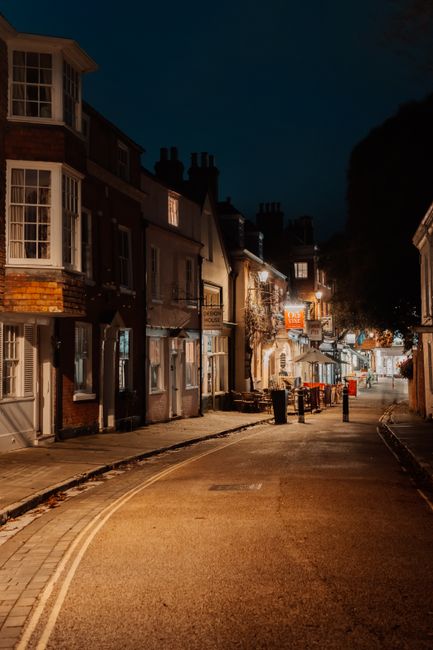
Late evening house removals in Hampstead booking mistakes: what to avoid and how to book smarter
Late-evening moves can be a lifesaver in Hampstead. Maybe the lift is booked until after work, the children are finally asleep, or you simply need the street to be quieter before the van arrives. But late evening house removals in Hampstead booking mistakes happen more often than people expect, and the fallout can be annoying, expensive, and frankly exhausting. Miss one detail, and suddenly you are dragging boxes in the dark, apologising to neighbours, or paying for extra waiting time you never planned for.
This guide breaks down the booking mistakes that catch people out, why they matter, how a late move usually works, and the practical steps that make the whole thing smoother. It is written for anyone planning a house move after office hours in or around Hampstead, especially if you want the move to feel calm rather than chaotic. And yes, a few small checks now can save a lot of drama later.
Expert takeaway: the biggest late-evening moving mistakes are rarely about lifting furniture. They are usually about timing, access, communication, parking, building rules, and assuming the job will "just work itself out". It won't. Not without a plan.
Why Late evening house removals in Hampstead booking mistakes Matters
Booking a move for the evening sounds simple on paper. In practice, it changes the rhythm of everything around it. Hampstead has busy roads, narrow residential streets, tighter parking in some places, and homes where access can be awkward. By the time the evening comes around, people are tired, reception desks may be closed, and there is far less room for improvisation.
That is why late evening house removals in Hampstead booking mistakes matter so much. A small scheduling error can become a chain reaction. The van arrives too early and cannot park. The team arrives too late and misses building access. The key handover slips. The lift booking runs out. Somebody forgot to warn the neighbours. It sounds minor until you are standing by a doorway with a sofa that will not fit through the landing at 8:45 pm.
To be fair, the appeal is obvious. Evening removals can reduce disruption, especially if you are moving from a flat, juggling work, or trying to avoid daytime traffic. But the later the slot, the more important it becomes to confirm the details carefully. A good booking is not just a date on a calendar; it is a moving plan with assumptions removed.
If your move is part of a bigger house relocation, it can also help to understand the wider service picture on house removals and home moves, especially if you are comparing options for the right team and vehicle.
How Late evening house removals in Hampstead booking mistakes Works
A late-evening move usually follows the same basic pattern as a daytime move, but with tighter timing and fewer margins for error. You book the slot, confirm the property details, prepare access, and make sure the crew knows exactly what they are lifting, where they are collecting from, and where they are going. The difference is that a late move is far less forgiving if any part of that picture is fuzzy.
In a typical booking, the moving company should ask about the property type, number of rooms, parking conditions, large or fragile items, and whether there are stairs, lifts, or loading restrictions. If you are moving in Hampstead, those details are not trivia. They shape the vehicle choice, labour estimate, and arrival timing. A van that is fine for one street may be awkward on another. A move that looks manageable in daylight can become fiddly after dark, especially when visibility drops and everyone wants to get out before the road gets too quiet.
Evening moves also bring more reliance on coordination. Keys might be with an agent, access codes may need to be shared, and the person handing over at the new home may not be the same person who booked the job. One missed message, and the whole thing stalls. That is the bit many people underestimate. The move itself may be straightforward, but the handoffs around it are where things go sideways.
If you are choosing a crew or vehicle type, pages such as removal services, removal van, and man with van can help you understand the sort of support that may suit a smaller or tighter move.
Key Benefits and Practical Advantages
When booked properly, a late-evening move can be very practical. People often choose it because the home is quieter, work schedules are less disruptive, and there is less pressure to finish everything before lunch. That can make the day feel less frantic. Sometimes, that alone is worth it.
- Less daytime disruption: useful if you are working during the day or moving family members around school or childcare.
- Potentially calmer loading conditions: some roads are easier to manage once the daytime traffic eases off.
- More flexibility for key handover: especially if your sale, tenancy, or completion timeline is already packed.
- Better use of the day for packing: you can spend the morning finishing boxes rather than rushing the whole job at dawn.
- Shorter feeling move day: for many people, it is mentally easier to move after a normal workday than to face a full early start.
There is a catch, though. The later the move, the more you need clarity and discipline. No wandering around looking for tape. No "we'll sort the parking out when we get there". Night moves reward organisation. They punish vague plans. Hard truth, but a useful one.
If you need extra help with packing, the guidance on packing and boxes and packing and unpacking services can be useful when you are trying to get everything ready before the evening slot begins.
Who This Is For and When It Makes Sense
Late evening removals are not for everyone. They make sense when the benefits outweigh the extra coordination. If you live in a flat, have a lift booking, are moving after work, or need to vacate before the next morning, evening timing can be a smart fit. It can also suit smaller household moves, student moves, and situations where the access window is short.
On the other hand, if you have lots of bulky furniture, a long carry from road to door, or uncertain access at either property, a later slot can become stressful quickly. That does not mean you should avoid it. It just means you should size the move honestly. A lot of booking mistakes happen when people plan for the ideal version of the move instead of the awkward real one.
It is especially worth thinking carefully if:
- you are moving from or into a flat with shared access;
- the property has limited street parking;
- you need the move done after work hours;
- you have children, pets, or elderly family members to manage;
- you are combining the move with storage or a second destination;
- you are moving a specialist item such as a piano or heavy furniture;
- you need a same-day handover and cannot afford delays.
For these situations, it may help to compare broader moving support such as flat removals, student removals, or even storage if the timing between properties is not clean. Sometimes the best move is a slightly slower one. Strange, but true.
Step-by-Step Guidance
If you want to avoid the most common late-evening booking mistakes, work through the move in stages. A rushed booking is usually where the trouble begins, so slow the process down at the start.
1. Confirm the exact move window
Do not just say "evening" and leave it there. Confirm the start time, expected duration, and any cut-off time at the departure or arrival property. A move that starts at 6:30 pm has a very different feel from one that starts at 9:00 pm. Ask what happens if access is delayed. That question alone can save you a headache.
2. Check access at both properties
Find out about parking, stairs, lifts, width of hallways, and where the vehicle can reasonably stop. If you are in Hampstead, parking assumptions can be risky. It is better to say, "the van can probably fit outside" and then verify than to discover the opposite once the crew is already there.
3. Share the inventory honestly
List the obvious items, then the awkward ones. Wardrobes, beds, mirrors, glass tables, dismantled furniture, and anything unusually heavy should be mentioned early. A brief inventory helps the movers choose the right equipment and prevents that awkward silence when a double wardrobe appears from behind a door frame.
4. Build in time for packing and finishing touches
People often underestimate the last 90 minutes. That is when labels get written, kettle bags disappear, chargers are hunted down, and someone says, "Have you seen the keys?" Leave breathing room. Evening moves usually feel better when the home is already 90 percent ready before the van arrives.
5. Confirm communication for the day itself
Who is the contact person? What number will the driver use? Who is handing over keys? If the booking is split between family members, make sure everybody knows who is responsible for what. A quick text thread is often enough, but the details should be final, not floating around in someone's head.
6. Recheck the small things before the crew arrives
Meter readings, freezer defrosting, box labels, cashless payment readiness, and access codes all sit in the "small but annoying" category. They matter. You do not want to be digging through a coat pocket at 9:15 pm while the sofa is waiting by the front door.
If your move depends on a particular vehicle size, you may also want to look at removal truck hire or moving truck for the practical side of capacity planning.
Expert Tips for Better Results
After enough move days, you start to see patterns. The smoothest evening moves are not necessarily the ones with the most staff or the fanciest van. They are the ones where the booking is clear and the client has already thought through the awkward bits.
Here are the details that really make a difference:
- Keep the access route clear: shoes, bins, laundry baskets, and small side tables can slow everyone down more than you expect.
- Use consistent labels: "kitchen," "bedroom 1," and "priority" works much better than a dozen vague notes.
- Pack essentials separately: medication, chargers, documents, snacks, and toiletries should not vanish into the back of the van.
- Avoid overfilling boxes: evening lifting gets tiring faster, and no one enjoys an overpacked box that rips at the bottom.
- Tell movers about fragile access points: narrow turns, low ceilings, tricky stairwells, and fresh paint all deserve a mention.
- Have a plan for the old and new fridge/freezer: especially if you are moving late and need to protect floors or fit around cleaning.
One small but useful habit: take photos of both properties before and after the move. Not because you are expecting trouble, but because tired evenings make memory unreliable. Honestly, it's astonishing how quickly details blur once boxes start stacking up.
If you prefer a more hands-on, flexible arrangement, pages like man and van and man with a van can help you judge whether a lighter service style is appropriate for your move.
Common Mistakes to Avoid
This is the section where most avoidable problems show up. Some are obvious. Others are the sort of thing people only realise after the move has started. Let's go through the big ones.
1. Booking too late in the day without checking cut-off times
A 7 pm slot can be perfectly fine, or a nightmare, depending on the property and access. If the building rules, parking, or handover times are tight, a late start can compress the whole job.
2. Assuming access will be the same as daytime
After-hours building entry can be different. Some blocks become harder to access in the evening, not easier. Keys, door codes, concierge support, and lift availability all deserve confirmation.
3. Underestimating the packing stage
People often book the move, then leave the packing until the afternoon. By 5 pm, everyone is rushing, nobody can find tape, and the kitchen is still half full. It is a classic mistake. A very common one.
4. Forgetting parking and unloading realities
Even if a road looks fine at 2 pm, it may be more awkward later once residents are home and spaces are taken. In a place like Hampstead, a "quick stop" can become a slow circle around the block.
5. Not listing special items
A piano, antique cabinet, oversized mirror, or unusually heavy sofa changes the tone of a move. If it is not mentioned before booking, the schedule may be wrong from the start. If you do have specialist items, piano removals is the kind of service that shows why item-specific planning matters.
6. Leaving the payment details until the last minute
Late finishes are tiring enough without payment confusion. Make sure you understand the expected method and timing. A smooth payment process is one less thing to think about when you are carrying lamps at dusk.
7. Not checking the terms and insurance position
Booking without reading the key terms can lead to avoidable disputes. Know what is included, what may cost extra, and what the insurance expectations are for delicate or high-value items.
Tools, Resources and Recommendations
You do not need a huge toolkit for a late-evening move, but a few items genuinely help. In practice, the best tools are the boring ones. Tape. Labels. A torch. Phone charger. The unglamorous little things that save the day.
- Strong box labels: make them visible in low light.
- Headtorch or handheld torch: especially useful for stairwells, lofts, or garden paths.
- Protective gloves: helpful if you are moving anything with sharp corners or rough edges.
- Basic toolkit: for beds, shelving, or last-minute dismantling.
- Blankets or wraps: ideal for protecting furniture and door frames.
- Charged phone and portable battery: because messages always seem to arrive at the worst possible moment.
For planning and reassurance, the most relevant service pages are usually pricing and quotes, insurance and safety, and terms and conditions. They help set expectations before the day arrives. Also useful, if you want to understand the business behind the service, is about us, which can help with trust-building before you commit.
Law, Compliance, Standards, or Best Practice
For most home moves, the main compliance concerns are practical rather than legal: safe lifting, sensible handling, clear access, and transparent booking terms. Still, best practice matters. A responsible removals provider should be clear about insurance, care of property, and what is expected from both sides on the day.
In the UK, people moving house also tend to run into local parking and access restrictions, building management rules, and common-sense safety expectations. You do not need a legal degree to handle this, but you do need to check the details rather than assume. That includes whether the move affects shared hallways, damage protection, and building rules on noise or loading.
It is also sensible to understand how complaints are handled if something goes wrong. That is where a clear process matters. If a service provider has published guidance on issues and escalation, such as a complaints procedure, that is a good sign that problems will be handled in an orderly way rather than with shrugging and crossed fingers.
If you are worried about safety, equipment handling, or responsibility for items, look for clear wording around health and safety policy and payment and security. The point is simple: a move should feel professional, not improvised.
Options, Methods, or Comparison Table
Not every move needs the same kind of support. The right choice depends on volume, access, timing, and how much help you need. Here is a straightforward comparison.
| Option | Best for | Strengths | Watch-outs |
|---|---|---|---|
| House removals team | Full household moves, larger inventories | More structured, more support, better for bigger jobs | Needs stronger scheduling and more planning |
| Man and van | Smaller moves, quick turnarounds, fewer items | Flexible, often easier for late evening slots | Can be tight if access is difficult or there are many bulky items |
| Removal truck hire | Moves needing larger vehicle capacity | Useful where load volume is the main issue | Still requires good packing and loading coordination |
| Storage + staged move | Delayed completion or uncertain handover | Reduces pressure if timing is messy | Extra handling and planning needed |
For smaller households, the page on removals can help you judge the overall service style. For more specialised situations, furniture removals or furniture pick up may be a better fit than a broader move service. There is no prize for choosing the biggest option if you only need the sensible one.
Case Study or Real-World Example
Picture a straightforward Hampstead evening move: a couple leaving a top-floor flat after work, a van booked for early evening, and a new tenancy starting the same day. On paper, it is manageable. In practice, the lift booking was assumed rather than confirmed, the parking bay was narrower than expected, and the box labelling had not quite happened. The result? A slow start, a stressed phone battery, and a pile of items waiting in the hallway while everyone tried to work out where the kettle had gone.
Now compare that with a better version. The client confirmed access in advance, separated essentials into one clearly marked bag, shared a full inventory, and had the keys ready with one person responsible for handover. The crew arrived, loaded efficiently, and finished with far fewer surprises. Same street, same time of day, different outcome.
That is really the point. Late evening house removals in Hampstead booking mistakes usually come from missing the "small" details that become big once daylight fades. It is not glamorous, but it is predictable. And predictable is good.
Practical Checklist
Use this before you confirm the booking, and again on the day. It is the kind of list that looks slightly dull until it saves your evening.
- Confirm the exact arrival window, not just "evening".
- Check access at both properties, including stairs, lifts, and parking.
- Tell the mover about all bulky, fragile, or unusually heavy items.
- Prepare keys, codes, and handover contacts in advance.
- Label boxes clearly, especially essentials and fragile items.
- Pack a first-night bag separately.
- Keep walkways clear inside both homes.
- Charge your phone and keep payment details ready.
- Check whether storage is needed if the completion timing is uncertain.
- Read the booking terms and understand the insurance position.
Quick summary: if you remember only one thing, make it this: the move is rarely ruined by the lifting. It is usually ruined by a missing detail in the booking. Catch the detail early, and the evening gets much easier.
Get a free quote today and see how much you can save.
Conclusion
Late-evening house moves can work beautifully in Hampstead when the booking is careful and realistic. They are often a smart choice for busy households, smaller properties, and anyone trying to avoid daytime disruption. But they do demand better planning than a standard daytime move. That is the trade-off.
The good news is that most problems are preventable. Confirm the access. Share the inventory. Be honest about the awkward items. Give the team a clear timeline, and make sure the handover details are settled before the evening starts to run away with itself. Once those pieces are in place, the move becomes much more manageable.
Truth be told, a calm move is mostly the result of unglamorous preparation. Not luck. Not magic. Just a few solid decisions made early. And if that saves you one stressful box fight in the dark, it was worth it.
Frequently Asked Questions
What are the most common late evening house removals in Hampstead booking mistakes?
The biggest mistakes are vague timing, poor access checks, incomplete inventories, and leaving packing too late. People also forget parking restrictions and building rules, which can slow everything down after dark.
Is a late evening move more expensive than a daytime move?
It can be, depending on the provider, timing, and how long the move takes. The safest approach is to ask for a clear quote and confirm whether evening rates or waiting time could apply.
How far in advance should I book a late evening removal?
As early as possible, especially if you need a specific window. Evening slots can be popular because they fit around work and family routines, so last-minute availability may be limited.
Do I need to arrange parking in advance for a Hampstead move?
Often, yes, or at least you should check how parking will work on the day. Hampstead streets can be awkward, and even a short loading stop needs to be thought through carefully.
What should I tell the movers before booking?
Tell them the property type, number of rooms, access issues, stairs, lifts, bulky furniture, fragile items, and any timing limits. The more honest the description, the smoother the move tends to be.
Can I move after work without the move running late?
Yes, if the booking is realistic and the packing is mostly done beforehand. A late-evening move works best when the property is ready to load, not when the team arrives to a half-packed kitchen.
What if my keys are not ready on time?
That is one of the most common causes of delay. Make sure key collection, access codes, and handover responsibilities are agreed before the moving day begins.
Is a man with a van enough for a late evening house move?
It depends on the amount of furniture, access, and distance. For smaller moves, it can be a very practical option. For larger or more complicated jobs, a fuller house removals service may be better.
How do I avoid damage during a night move?
Use clear labels, protect floors and furniture, keep routes uncluttered, and mention fragile or awkward items in advance. Good lighting helps too, and so does not rushing the final loading.
Should I use storage if my evening move timing is uncertain?
If there is a gap between properties or the completion timing is unclear, storage can reduce pressure. It gives you more flexibility and makes a delayed handover less stressful.
What paperwork or policies should I check before booking?
Look at the terms and conditions, insurance information, health and safety guidance, and complaints process. It sounds a bit formal, but those details help set expectations and avoid surprises later.
What is the best way to prepare for a late evening removal?
Finish packing early, label everything clearly, keep essentials separate, confirm access twice, and share one reliable contact number. That combination solves a lot more problems than people expect.