Moving to Hampstead with limited access common problems: a practical guide for a smoother move
Moving house is rarely simple, but Moving to Hampstead with limited access common problems can make even a well-organised relocation feel awkward fast. Narrow streets, tight stairwells, permit concerns, awkward parking, basement flats, and those lovely old Hampstead buildings that look charming from the outside but are a bit of a puzzle on moving day - it all adds up. If you are preparing for a move in or around Hampstead, this guide breaks down the most common access issues, why they matter, and what you can do about them before the first box is lifted.
Truth be told, the difference between a stressful move and a manageable one is usually planning. Not perfect planning. Just the right kind. Below you will find the practical steps, common mistakes, and decision-making tips that help when access is limited, time is tight, and the van cannot simply park "right outside".
Why Moving to Hampstead with limited access common problems Matters
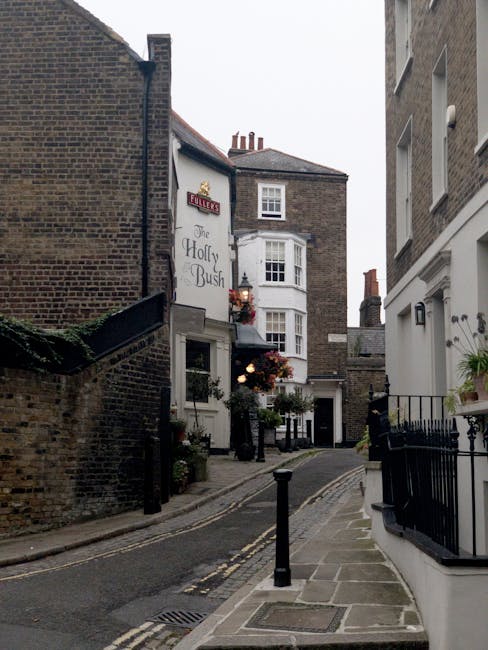
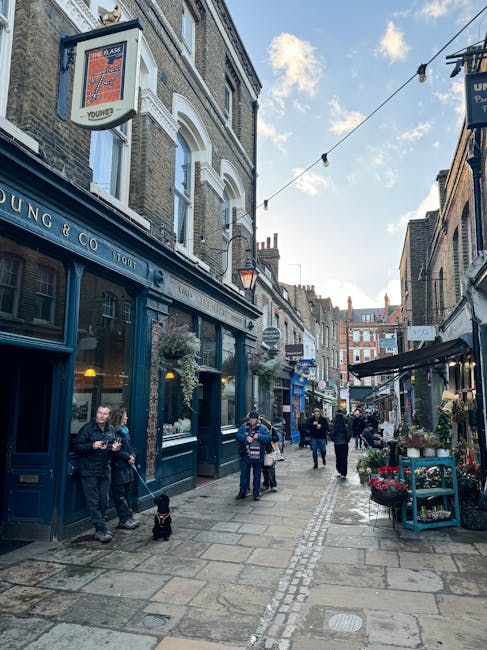
Hampstead has a lot going for it: character properties, tree-lined roads, period conversions, and the sort of homes people tend to fall in love with quickly. The catch is that many of those properties were not designed around modern removal trucks. That is exactly why limited access causes so many moving-day headaches.
In practical terms, limited access can mean the vehicle cannot park close enough, large items cannot fit through the entrance, or the stairway turns are too tight for bulky furniture. Basement flats, garden flats, mansion blocks, mews-style properties, and upper-floor apartments without lifts are all common examples. Even a move that looks "short" on paper can take far longer than expected once a team has to shuttle boxes by hand.
This matters because poor access affects nearly everything: labour time, risk of damage, parking arrangements, the size of vehicle needed, and the amount of preparation you need to do in advance. A move that starts with "we'll just wing it" often ends with a lot of standing around, a bruised table edge, and a few choice words. Let's face it, nobody wants that on moving day.
It also matters commercially. If you are comparing removal services, you will often find that the best provider is not simply the cheapest one. It is the team that asks the right access questions early and plans the job around reality rather than optimism.
How Moving to Hampstead with limited access common problems Works
A limited-access move is usually managed in stages. First comes the assessment: what can the vehicle reach, where can it stop, how far is the carry distance, and which items are likely to be awkward? Then comes the plan for labour, equipment, timing, and any storage or shuttle support that may be needed.
The process may include a smaller vehicle such as a man and van option, a larger team for carrying heavy items, or a combination of both. In some cases, it makes sense to use a bigger vehicle for the main load and a smaller vehicle for the final approach if the street is especially tight. It depends on the address, the furniture, and how much patience the neighbourhood has for a parked van outside the gate at 8 a.m.
The practical challenge is not just the distance from the property to the vehicle. It is the whole chain of movement:
- how long the team can keep the access route clear
- whether the entrance has steps, narrow corners, or low ceilings
- if the lift is large enough for sofas, wardrobes, or beds
- how easy it is to protect walls, flooring, and banisters
- whether the street layout allows safe loading without blocking traffic
For flats and apartments, a specialised approach is often needed, which is why services like flat removals and house removals are useful references when planning the logistics. If you are dealing with a busy building, shared entrance, or concierge rules, the moving team may also need to coordinate timing more carefully than a standard suburban move.
And yes, sometimes the best solution is boring but effective: more carrying time, fewer assumptions, and a team that measures first rather than guesses. Boring is good here.
Key Benefits and Practical Advantages
It may sound odd to talk about benefits when the topic is limited access problems, but there are real upsides to planning properly. When you understand the constraints in advance, the whole move becomes calmer and more controlled.
- Fewer delays: If the team knows the access limitations before arrival, they can bring the right vehicle, equipment, and manpower.
- Lower damage risk: Clear routes, protective covers, and the right carrying method help reduce scuffs and dents.
- Better pricing accuracy: Access issues can affect the quote, so clear information helps avoid surprises later.
- Less stress on the day: You spend less time improvising and more time getting settled.
- Safer handling of heavy items: Large furniture, mirrors, and awkward pieces are less likely to be rushed or forced through narrow gaps.
If you are moving a piano, a very heavy wardrobe, or a sectional sofa, access planning becomes even more valuable. For those situations, dedicated piano removals or furniture removals can make a noticeable difference, because the job is handled with the right technique rather than brute force.
Expert summary: In Hampstead, the successful move is usually the one that anticipates the awkward bit. Not the one that hopes the awkward bit will magically disappear.
Who This Is For and When It Makes Sense
This guide is for anyone moving into a property with complicated or restricted access. That includes people moving into basement flats, top-floor conversions, townhouses with narrow staircases, mews properties, and homes on streets where parking is scarce or heavily controlled.
It is also relevant if you are:
- a landlord arranging a tenant move-in or move-out
- a student heading into shared accommodation with awkward stairs or a tight hallway
- a business owner relocating into a compact office space
- someone moving on a tight schedule and needing a more flexible setup
- anyone with large, fragile, or unusually heavy possessions
For students, student removals often make sense because the volume is smaller but access is still unpredictable. For companies, commercial moves and office removals are more suitable when desks, equipment, and timing windows need more structured coordination.
If you have already measured the route and know the property is tricky, you are exactly the kind of person this article is for. If you have not measured it yet, well, now is the right time.
Step-by-Step Guidance
Here is the simplest way to approach a Hampstead move with limited access, without making the process more dramatic than it needs to be.
- Survey the access route. Check the street, kerb space, front door, hallways, stairs, lift size, turning points, and any obstructions.
- Identify the awkward items. Sofas, wardrobes, beds, white goods, mirrors, and pianos are the usual troublemakers.
- Measure the big pieces. A tape measure is boring but brilliant. Measure furniture height, width, and depth, then compare it with doorways, stair landings, and lift dimensions.
- Decide on the vehicle size. A smaller removal van may be enough for some moves, while others need a moving truck or a more flexible shuttle approach.
- Confirm building rules. Ask about lift bookings, loading restrictions, concierge notices, or specific moving windows.
- Protect surfaces in advance. Put down coverings where people will carry items through, especially on older floors and painted stair rails.
- Prepare a carrying plan. Decide which items leave first, which items require two people, and which items may need to be dismantled.
- Keep essentials separate. Medication, chargers, keys, documents, tea bags, and basic toiletries should not be buried in the moving mountain. You will thank yourself later.
If packing feels overwhelming, support from packing and boxes or packing and unpacking services can reduce the number of last-minute mistakes, especially when access already demands more attention than usual.
One useful rule: if an item is awkward to lift, awkward to turn, or awkward to carry, assume it will be twice as awkward once you are on the stairwell. That sounds glib, but it saves people from a lot of grief.
Expert Tips for Better Results
When access is limited, small decisions have big consequences. A few practical habits can make the day much easier.
- Share photos early. Real photos of the entrance, staircases, and street are often more useful than a verbal description.
- Be honest about the difficulties. If the sofa barely made it in last time, say so. Nobody benefits from pretending the hallway is wider than it is.
- Break down furniture where possible. Removing legs, shelving, or headboards can save time and damage.
- Book the right size support. Underestimating the job usually costs more in the end. Not always in money, sometimes in time and stress.
- Allow a wider time window. Tight schedules and tight access are not a great pairing.
- Plan for temporary storage if needed. If the keys are delayed or the access is not ready, short-term storage can stop the day from unraveling.
Another useful point: if parking looks tight, do not leave it until the morning of the move to discover there is nowhere legal or sensible for the van. That is a very expensive surprise, and a very common one.
To be fair, a calm move is often just a well-prepared one wearing a nicer expression.
Common Mistakes to Avoid
Limited-access moves tend to fail for predictable reasons. The good news is that most of them are avoidable.
- Ignoring carry distance: What looks like "just a short walk" can become a long hand-carry route with lots of turning and stopping.
- Forgetting to measure: Guessing furniture sizes against stairways is a classic mistake. It rarely ends well.
- Not checking parking restrictions: In London, parking and loading rules can change the whole day.
- Choosing a service based on price alone: A cheap quote can become expensive if the team was not told about the access problem.
- Leaving loose items unpacked: Little objects disappear quickly in a busy move. Drawer contents, cables, and small kitchen bits are easy to misplace.
- Assuming the lift will be available: Building lifts can be booked, slow, or unexpectedly out of use.
Sometimes the issue is not obvious. For instance, a property may have a nice wide front door but a narrow bend halfway up the stairs. That single bend can make a wardrobe, mattress, or desk impossible to move intact. The eye misses it. The tape measure does not.
Tools, Resources and Recommendations
You do not need a van full of fancy equipment to handle a limited-access move well. A few basic tools and sensible choices go a long way.
- Tape measure: Essential for doors, furniture, stairs, and lift openings.
- Protective coverings: Helpful for floors, banisters, and door frames.
- Dismantling tools: Screwdrivers, Allen keys, and labels for furniture parts.
- Strong boxes: Especially if you are stacking items at a distance from the vehicle.
- Labels and markers: These save time when rooms are far apart or access is split across multiple trips.
- Photos and floor plans: Even a basic sketch can help the mover understand the property better.
For people who want a more complete service, it can help to compare general removals with a more flexible option like man with van or a fuller removal services package. The right choice depends on volume, access, timing, and how much heavy lifting is involved.
If you are moving a single bulky item, the service choice may be different again. In that case, furniture pick up or furniture removals can be more suitable than a full home move. Simple, really. Though not always easy.
Law, Compliance, Standards, or Best Practice
Limited-access moves often touch on practical safety, property management, and transport planning. While this article does not replace professional advice, a few standards of care are worth keeping in mind.
In the UK, moving teams are generally expected to handle belongings and access routes carefully, use suitable lifting practices, and reduce the risk of damage or injury. That means checking weight limits, using proper lifting techniques, and taking reasonable steps to protect both the property and the people involved.
Good practice also includes:
- clear communication before the move
- transparent discussion of access restrictions
- appropriate vehicle and team selection
- insurance awareness for valuable or fragile items
- safe loading and unloading around public areas
For reassurance, it is sensible to review a mover's insurance and safety approach and, if needed, their health and safety policy. If you are comparing providers, this gives you a better picture than a glossy promise ever will. And if something does go wrong, it helps to know how issues are handled through a clear complaints procedure.
Trust matters here. Not in a vague way. In a very practical, "will they protect my hallway and get the sofa out without drama?" way.
Options, Methods, or Comparison Table
Different access problems call for different approaches. Here is a simple comparison to help you decide which method fits your move best.
| Option | Best for | Strengths | Limitations |
|---|---|---|---|
| Full removals | Households with several rooms of furniture and careful planning needs | Structured, efficient, suitable for larger moves | May be more than you need for a very small load |
| Man and van | Smaller moves, flexible access, or tight streets | Agile, practical, often easier in narrow Hampstead roads | Less suited to very large or complex jobs on its own |
| Flat removals | Upper-floor flats, conversions, and shared entrances | Tailored for stairs, lifts, and apartment access issues | Can still require careful dismantling for large furniture |
| Storage-first move | Delayed keys, staged moves, or space constraints | Reduces pressure if timing is uncertain | Extra handling may add an additional step |
There is no single "best" option for every Hampstead property. A small mews house may suit one approach, while a top-floor conversion with no lift may need another. The smartest move is the one matched to the building, not the one chosen because it sounded convenient on the phone.
Case Study or Real-World Example
A fairly typical Hampstead scenario goes like this. A couple moves into a first-floor flat in a period building with a narrow entrance, a shared hallway, and a staircase that turns sharply at the landing. On paper, the move looks simple. In reality, the sofa is long, the wardrobe is awkward, and the vehicle cannot stop directly outside for long.
Instead of trying to force everything in one go, the team checks the access route in advance, confirms where loading can happen, dismantles the bed frame, and separates the larger items from the smaller boxes. The move still takes work - no magic wand here - but it becomes orderly rather than chaotic.
The important part is not that everything was easy. It was not. The important part is that the difficult bits were predicted before the day started. That alone removed half the stress.
We have seen similar situations where a single item, such as a grand piano or an oversized wardrobe, changes the entire moving plan. In those cases, specialist handling and clear communication matter more than speed. The people who do best are usually the ones who ask awkward questions early. The awkward questions are the useful ones.
Practical Checklist
Use this checklist before moving day. It is simple, but it catches a lot of problems before they become expensive.
- Measure doorways, hallways, stair turns, and lift openings
- Take photos of the access route and parking area
- Confirm any loading restrictions or booking rules
- Identify heavy, fragile, or oversized items
- Dismantle furniture where sensible
- Label boxes by room and priority
- Keep essentials in a separate bag
- Check whether short-term storage might help
- Share all access details with the mover before the quote is finalised
- Review payment terms and booking conditions in advance
That last point is easy to overlook, yet useful. If you want to understand how a provider handles deposits, online payments, or booking security, it is worth reviewing their payment and security information and their terms and conditions before you commit.
A quick note: if you are also planning a bigger household move, looking at home moves can help you see how a full-service relocation is typically structured. It gives you a better sense of what support might be worth paying for.
Get a free quote today and see how much you can save.
Conclusion
Moving to Hampstead with limited access does not have to be a nightmare. It does, however, ask for more planning than a straightforward move on a wide suburban road. Narrow access, older buildings, parking pressure, and tricky staircases are all manageable when you deal with them honestly and early.
The real goal is not perfection. It is control. If you know what the obstacles are, you can choose the right vehicle, the right support, and the right timing. That is usually enough to turn a messy move into a decent one, and a decent move into a good one.
Keep the process practical, ask the awkward questions, and give yourself a little breathing room. Hampstead rewards careful planning. It really does.
Frequently Asked Questions
What are the most common limited access problems when moving to Hampstead?
The most common issues are narrow streets, restricted parking, stairs without lifts, tight hallways, basement entrances, and furniture that will not turn easily inside older properties. Access usually becomes the real bottleneck, not the distance of the move itself.
How do I know if my Hampstead property has limited access?
If a large van cannot stop near the entrance, if there are several stairs or sharp turns, or if bulky furniture looks difficult to manoeuvre through the building, you probably have limited access. Photos and measurements help confirm it quickly.
Should I book a man and van or a full removal service for a tight-access move?
It depends on the size of the move. A smaller load may suit a man and van option, while a larger household or more complex access situation may benefit from full removal services.
Can a removal van fit in Hampstead streets?
Sometimes yes, sometimes no. It depends on the exact road, parking restrictions, and how much space is available for loading. In many cases, a smaller vehicle is easier to work with than a large truck.
What should I measure before moving into a flat with limited access?
Measure the front door, hallway widths, stairwell turns, lift dimensions if relevant, and the largest pieces of furniture. It is also smart to measure the route from the pavement to the entrance, because that gap often causes the real problem.
Do I need storage if my Hampstead move has access problems?
Not always, but storage can help if keys are delayed, if the new place is not ready, or if access needs to be split across more than one day. It gives you breathing room when the timing is awkward.
Are flat removals different from house removals?
Yes. Flat removals often involve more stair use, shared entrances, and tighter loading conditions, while house removals may involve more floor space but still have access issues of their own.
How early should I tell the mover about access restrictions?
As early as possible. Ideally, mention it before the quote is confirmed. That gives the mover time to plan the vehicle, labour, and timing properly.
What if my furniture does not fit through the staircase?
In some cases, furniture can be dismantled. In others, you may need a different route, specialist handling, or a decision not to move the item intact. It is better to check early than to discover the issue on the landing.
Is limited access more expensive to move?
It can be, because it may take more time, more labour, or a more suitable vehicle. The exact cost depends on the property, the items, and the amount of hand-carry work involved.
What is the safest way to handle heavy items in a narrow entrance?
Use proper lifting technique, protect the route, and avoid forcing oversized furniture through tight gaps. Heavy or fragile items such as pianos are better handled through specialist services like piano removals.
What should I check before booking a move in Hampstead?
Check vehicle access, parking, property measurements, access times, building rules, and the mover's approach to safety and insurance. If you want extra peace of mind, review their about us information and operational policies as well.
Can packing help reduce access problems?
Absolutely. Well-packed, clearly labelled boxes are quicker to carry and easier to stack. If you want support, packing and unpacking services can save a lot of last-minute effort.